
Process, gear, and settings that hold
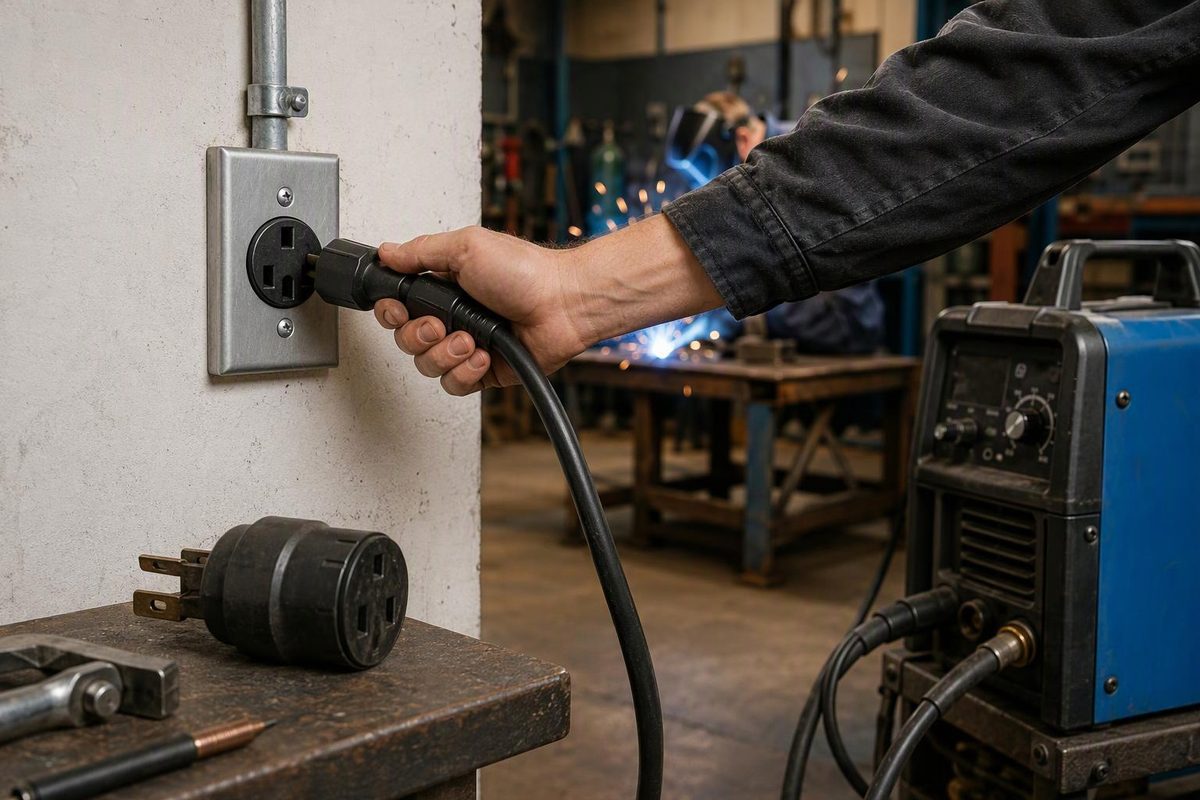
220V Welder Outlet: Plug, Breaker and Wire Requirements
Choose a 220V welder outlet by input voltage, plug type and manual requirements. Understand 6-50R, dryer adapters, breaker sizing and grounding.
By Cole Brandt · 2026-10-25 · 4 min readLatest
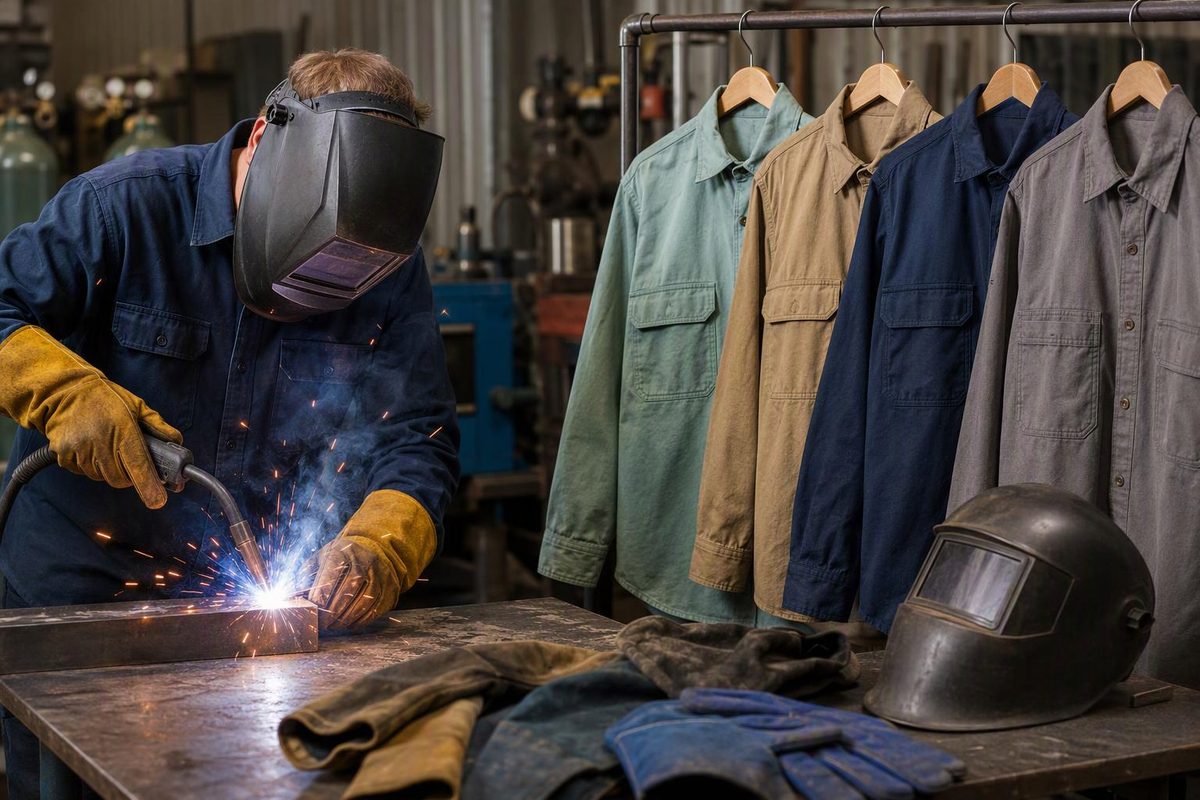
Fire Resistant Welding Shirts: Fit, Labels and Limits
Choose fire resistant welding shirts by fabric, coverage, documented limits and care instructions—and recognize when a shirt needs added protection.
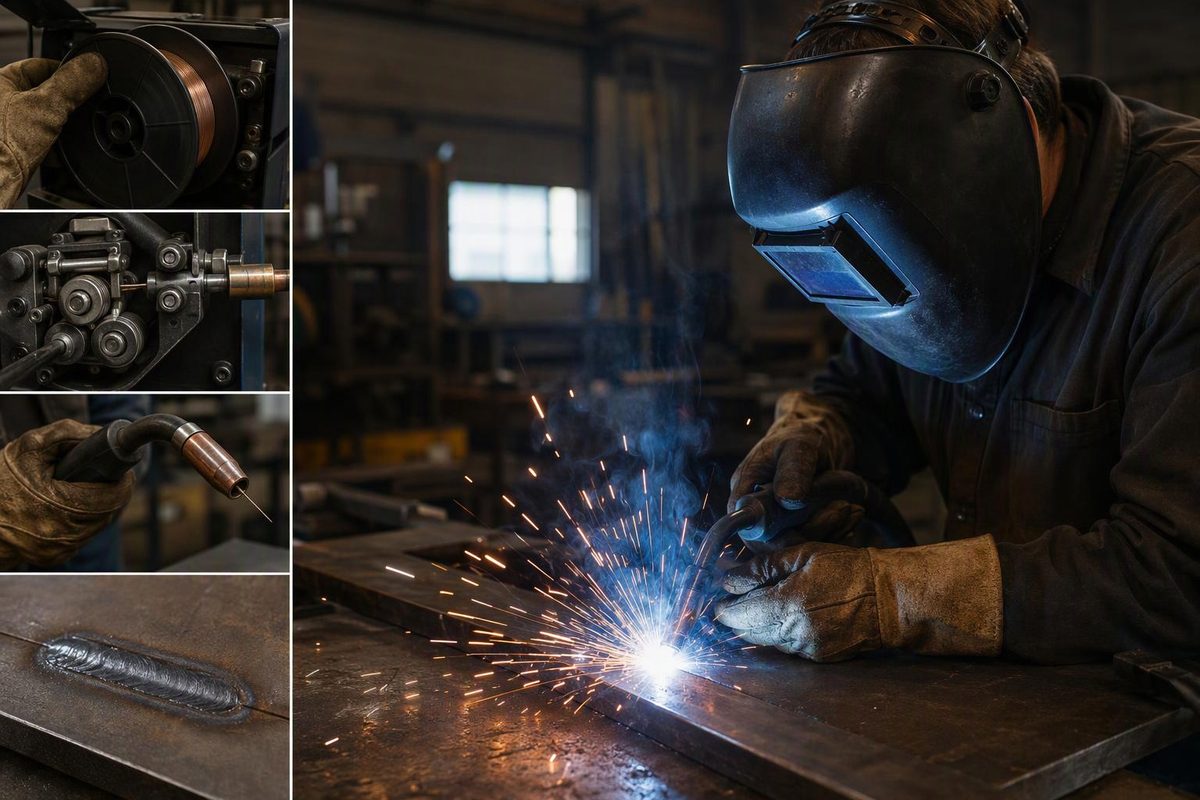
Flux Core MIG Welding Tips: Setup, Technique and Troubleshooting
Check wire-specific polarity, tip distance and feeding before adjusting settings. Practical flux-core technique and a symptom-first troubleshooting sequence.
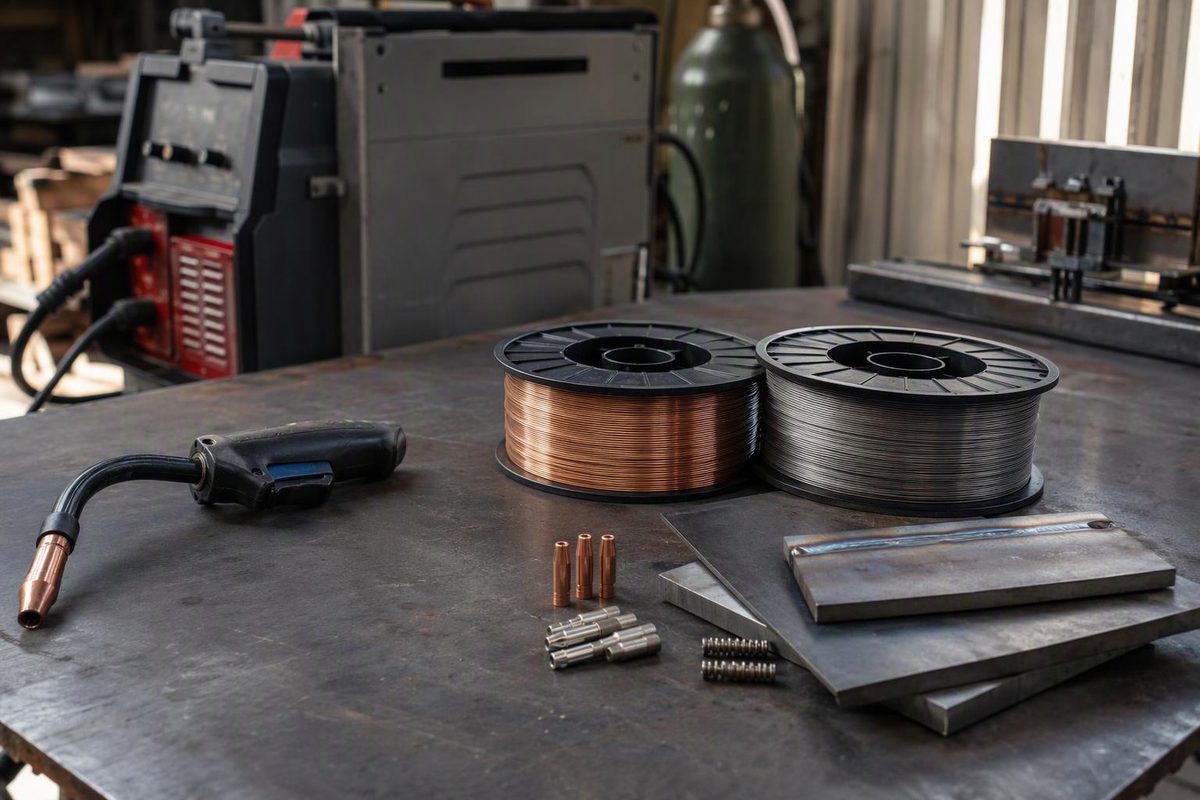
Settings for Flux Core Welding: Voltage, Wire Speed and Setup
Use wire-specific voltage, feed speed, polarity and tip distance. See .030 and .035 NR-211-MP examples and a practical troubleshooting sequence.
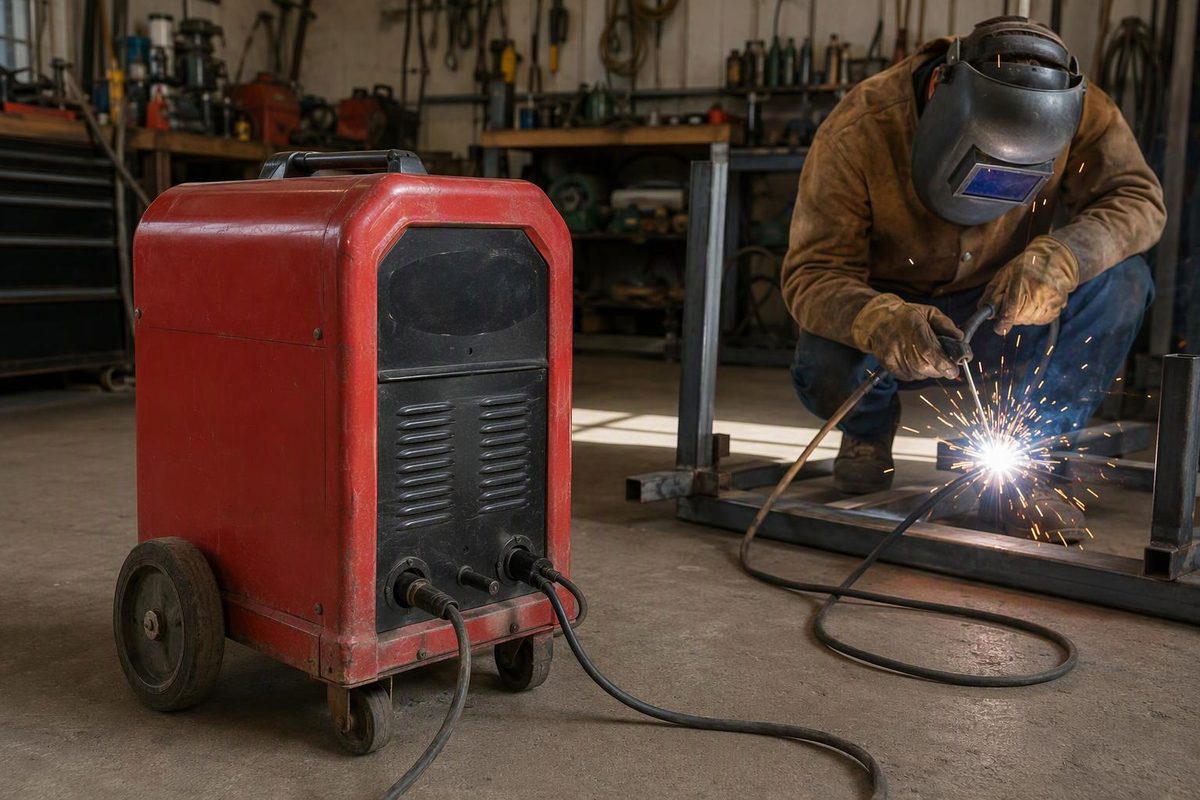
Lincoln Electric AC-225-S Arc Welder: Specs and Setup
Check Lincoln AC-225-S specifications, AC-compatible rods, input power and duty cycle, plus practical setup and used-welder inspection steps.
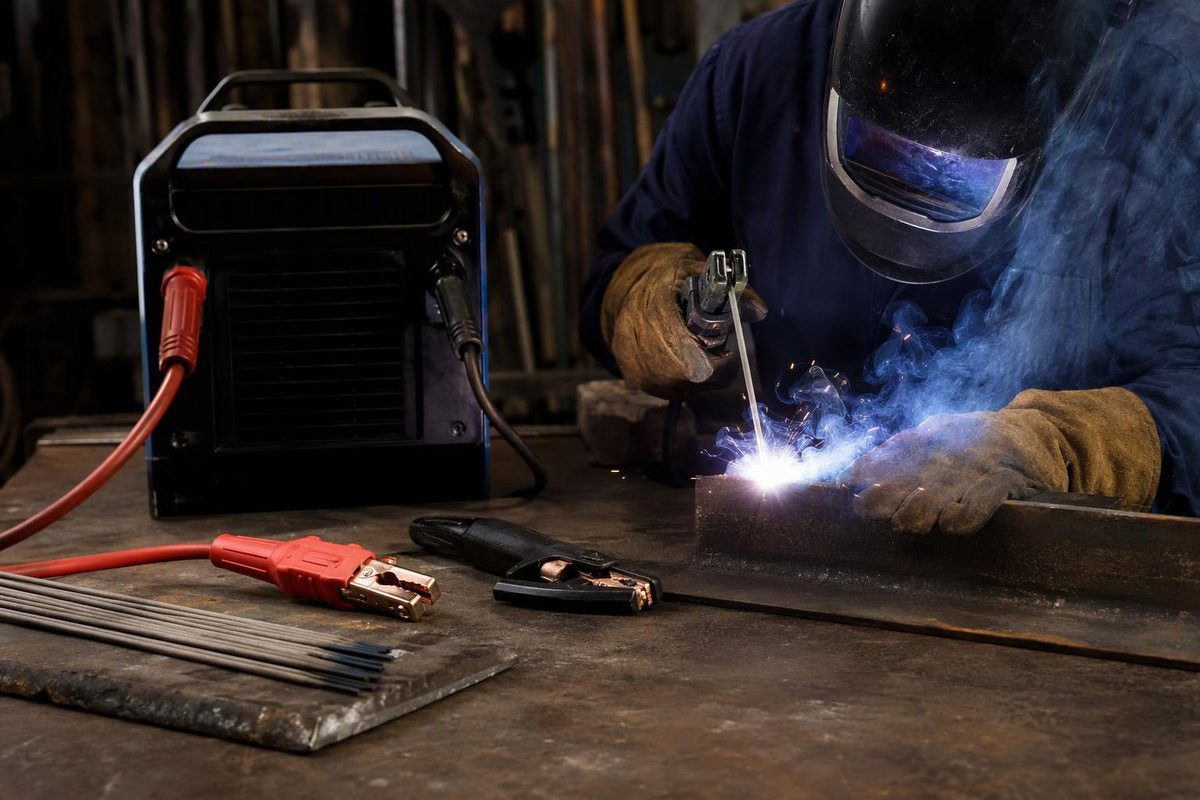
Polarity for Stick Welding: DCEP, DCEN and AC
Choose stick welding polarity from the electrode data, connect DCEP or DCEN correctly, and diagnose arc problems before changing amperage.
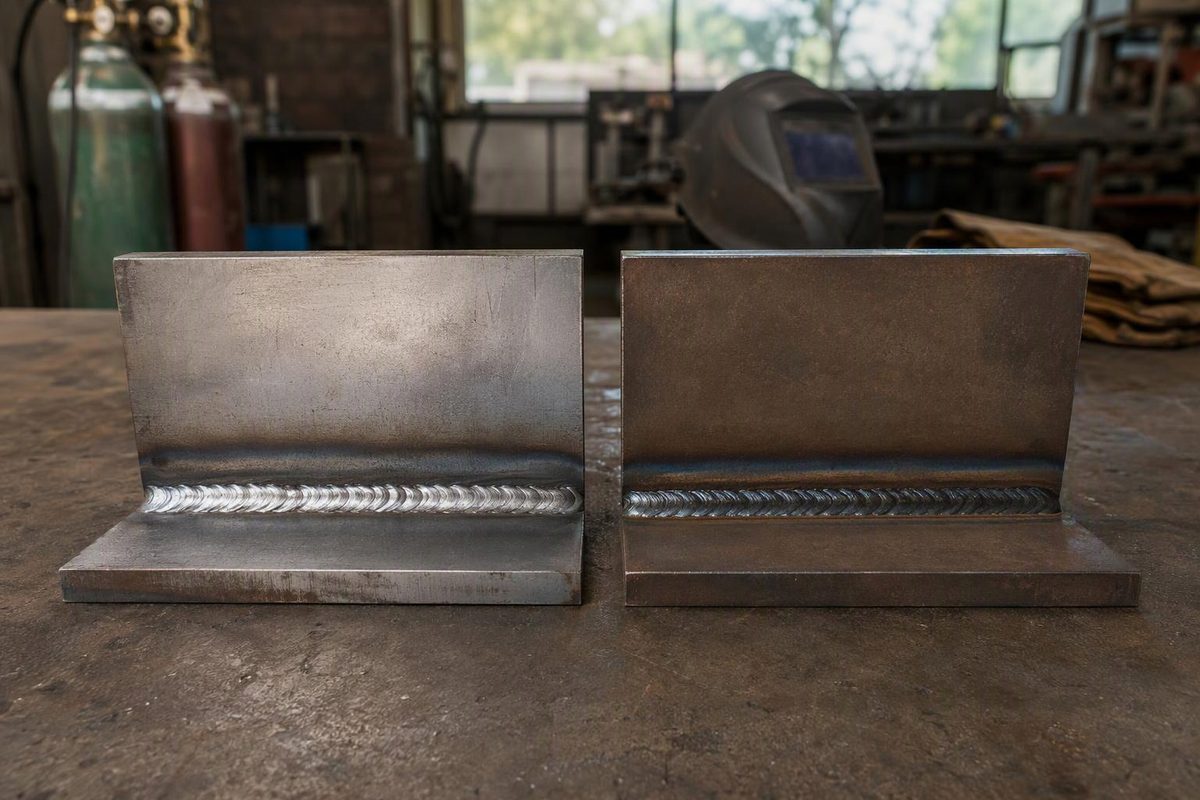
Alloy Steel vs Carbon Steel: What Changes When You Weld
Compare alloy steel and carbon steel for welding: strength, cracking risk, filler selection, preheat, heat treatment and material identification.
More articles
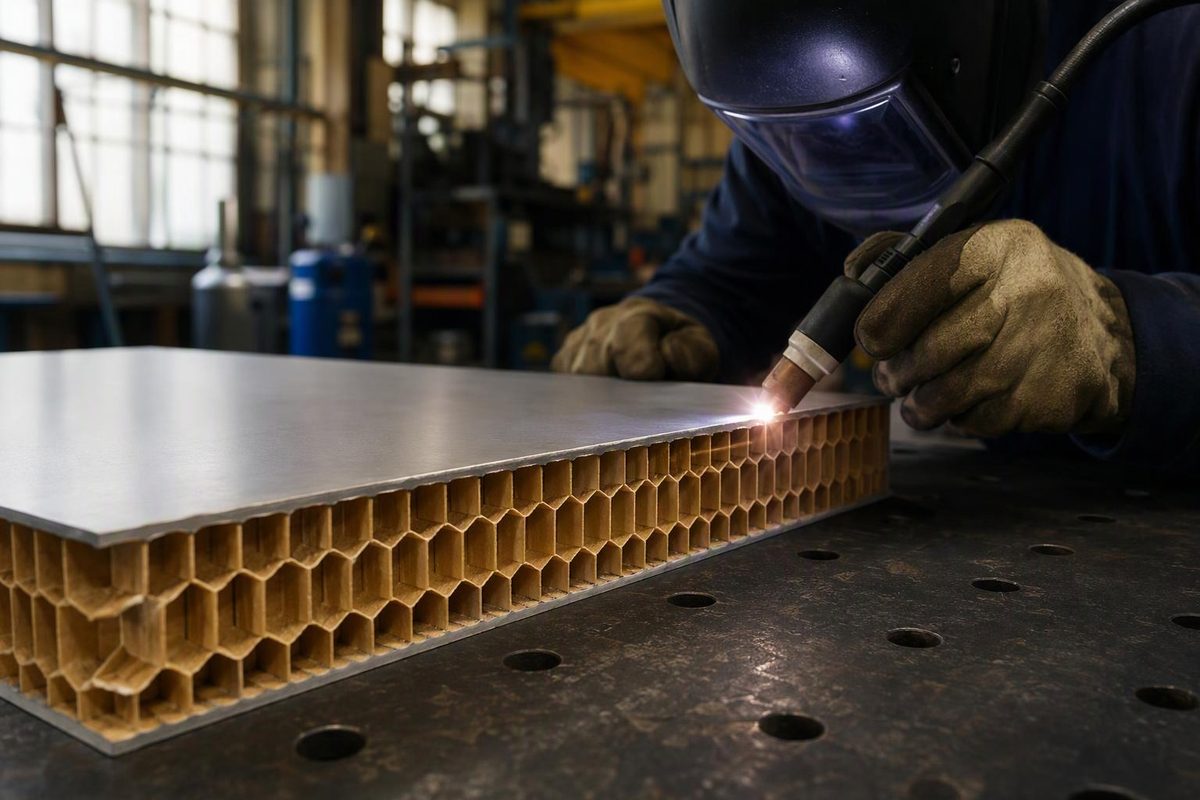
Nomex Honeycomb: Properties, Bonding and Welding Limits
Learn what Nomex honeycomb is, how sandwich panels carry loads, which specifications matter, and why welding heat threatens the core and its bonds.
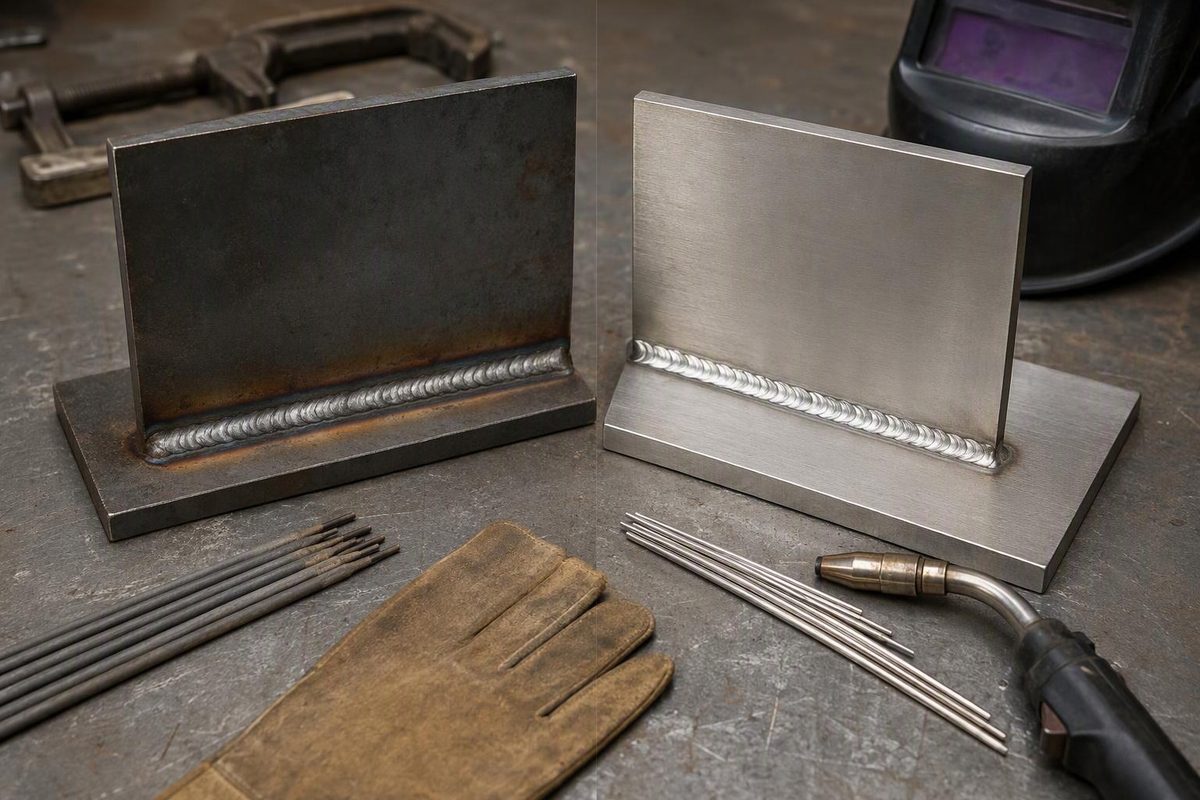
Carbon Steel vs Stainless Steel: What Changes When You Weld
Compare carbon steel and stainless steel for fabrication: corrosion, strength, cost, filler selection, shielding gas, distortion and weld cleanup.
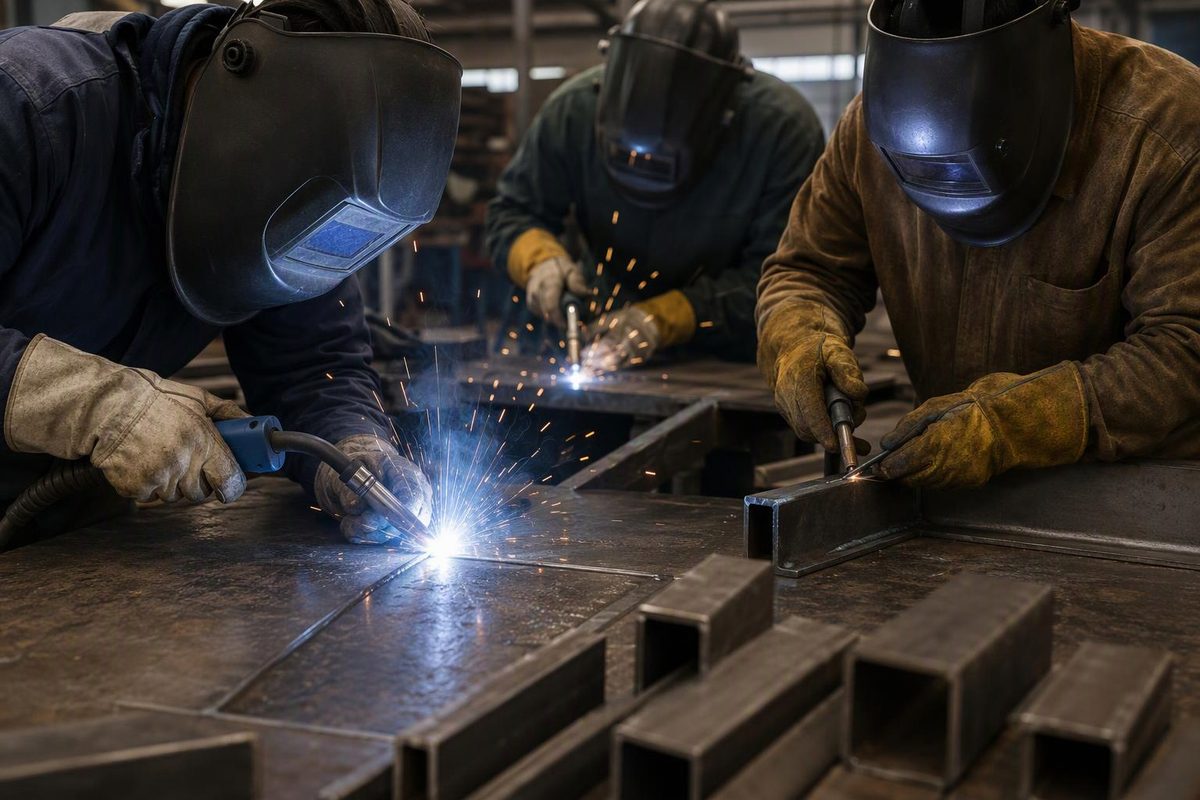
Low Carbon Steel: Properties and Welding Choices
Understand low carbon steel, choose MIG, TIG or stick filler, and check preparation, preheat and joint conditions before changing weld settings.
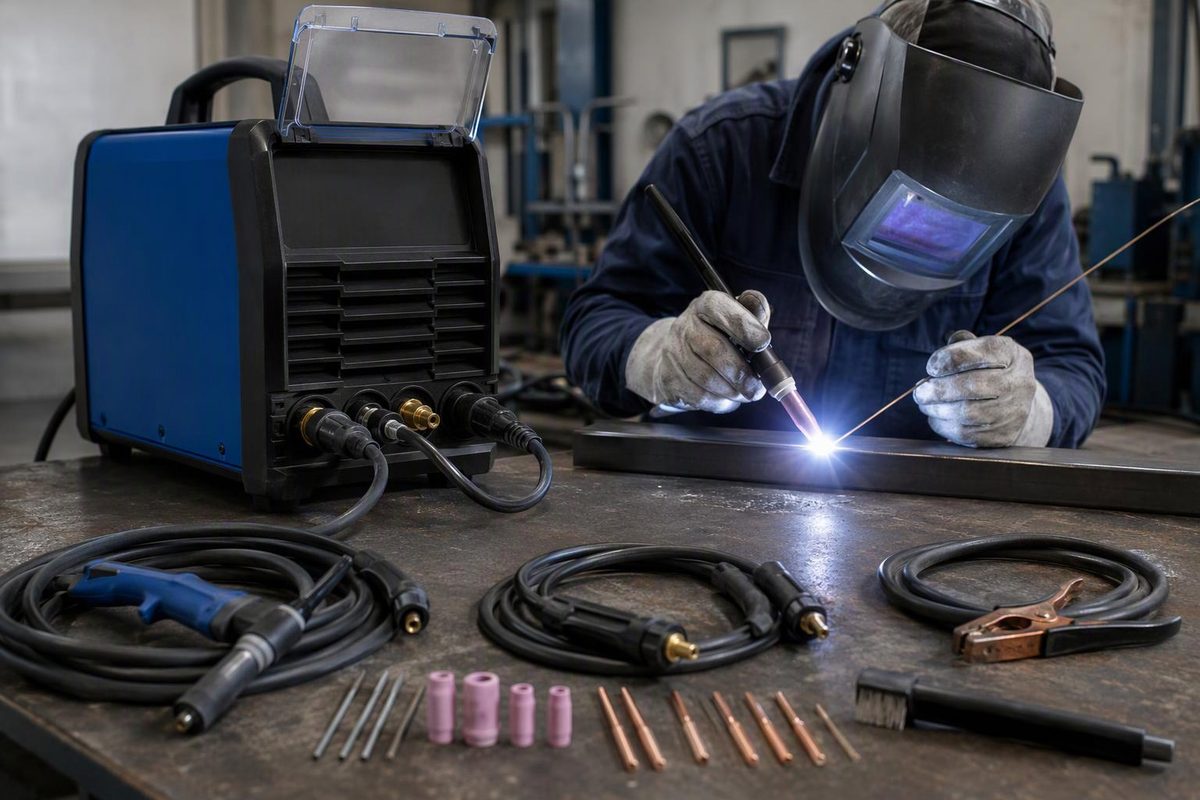
MIG TIG Stick Welder: Check the Capabilities Before Buying
Choose a multiprocess welder by AC/DC TIG capability, input power, duty cycle, electrode support and the accessories needed for your jobs.
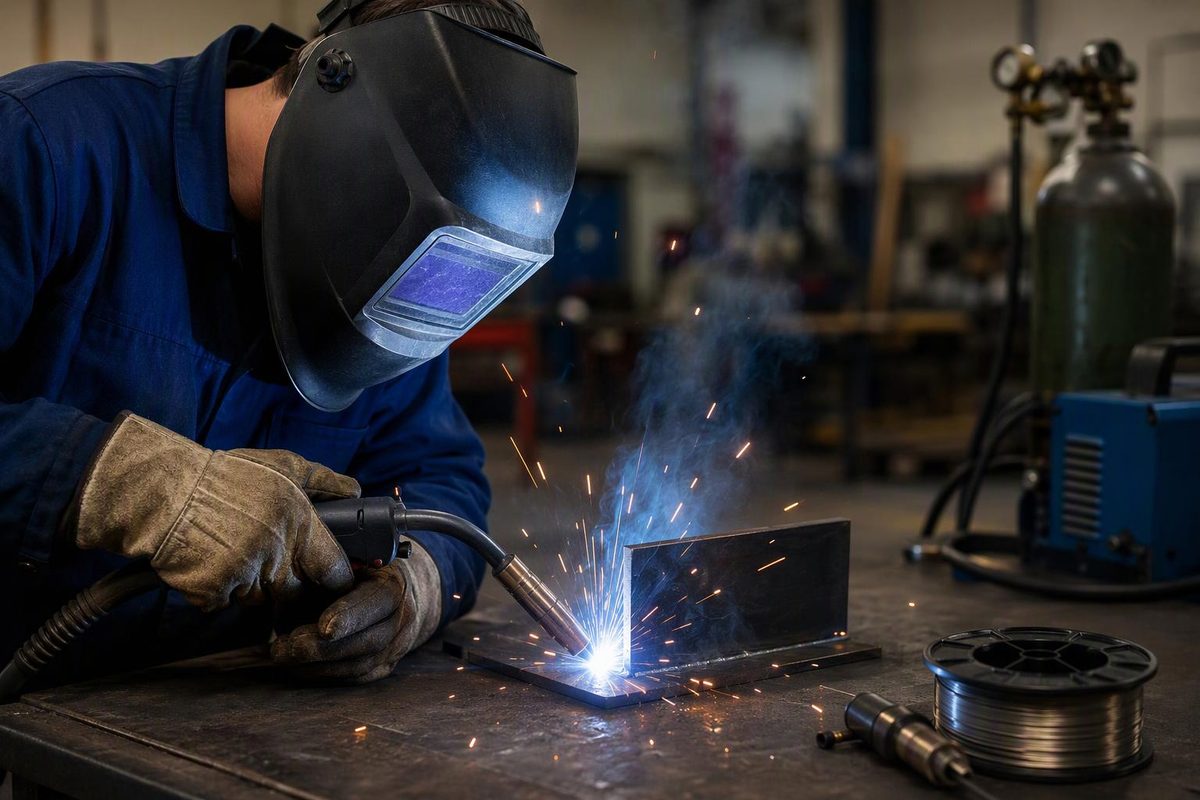
What Does MIG Stand for in Welding?
MIG means Metal Inert Gas. Learn how the process works, why steel welding is often technically MAG, and how gasless flux-core differs.
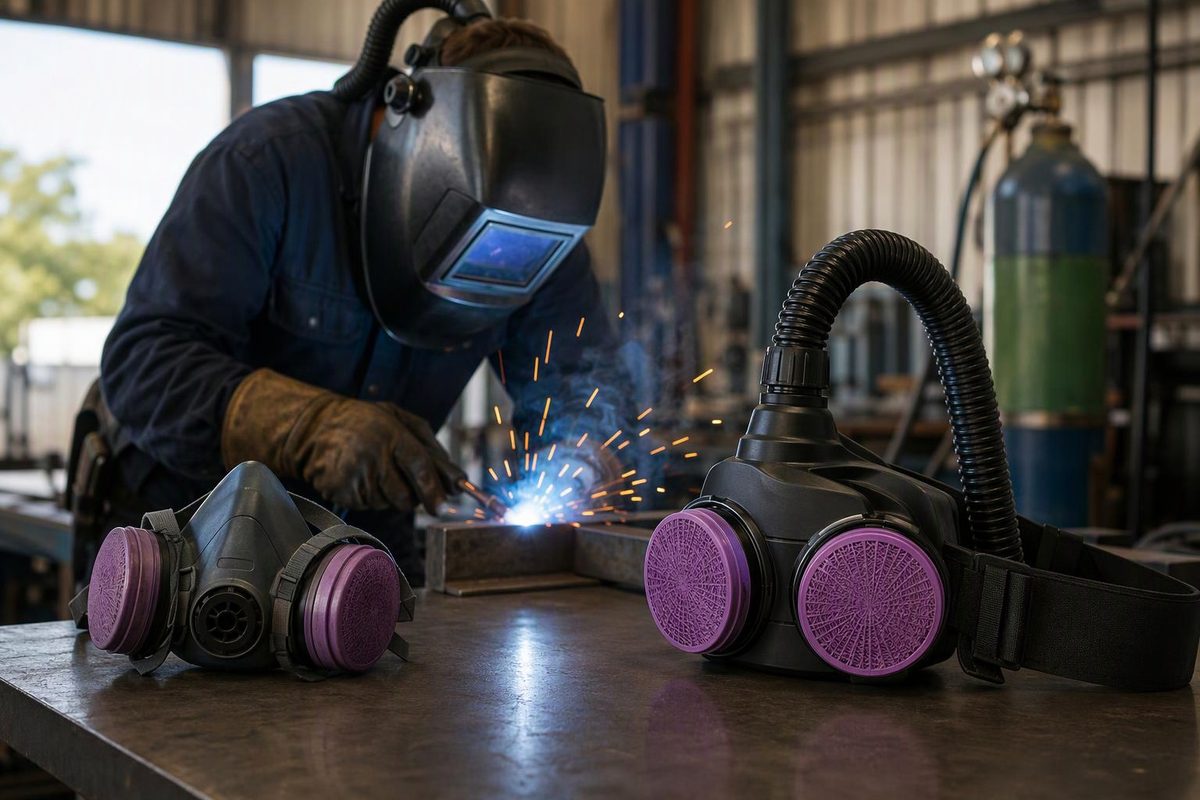
Welding Respirators: Half Mask vs. PAPR and Filter Limits
Compare half-mask welding respirators and PAPRs, understand P100 filter limits, and check fit, ventilation and workplace respiratory-protection requirements.
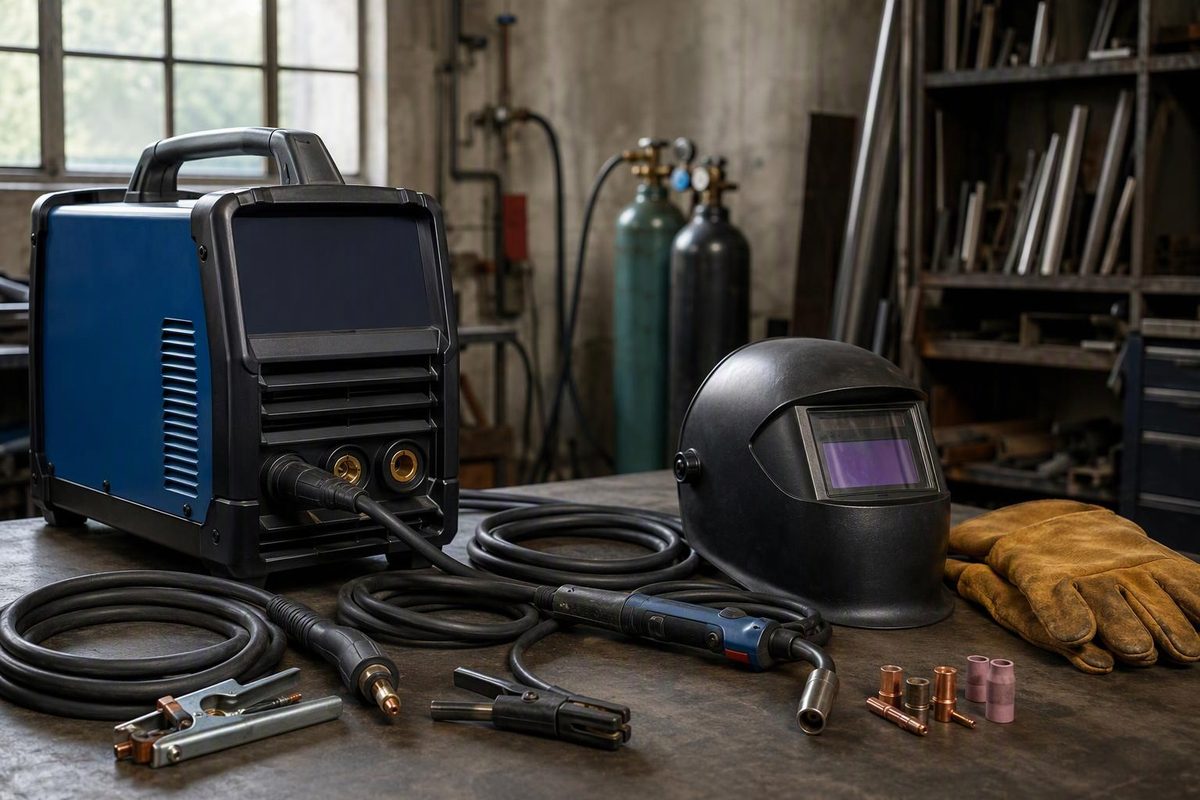
Arc Welding Equipment: Match the Machine, Leads and Process
Choose arc welding equipment by process, input power, duty cycle and accessory compatibility—then check the circuit before changing weld settings.
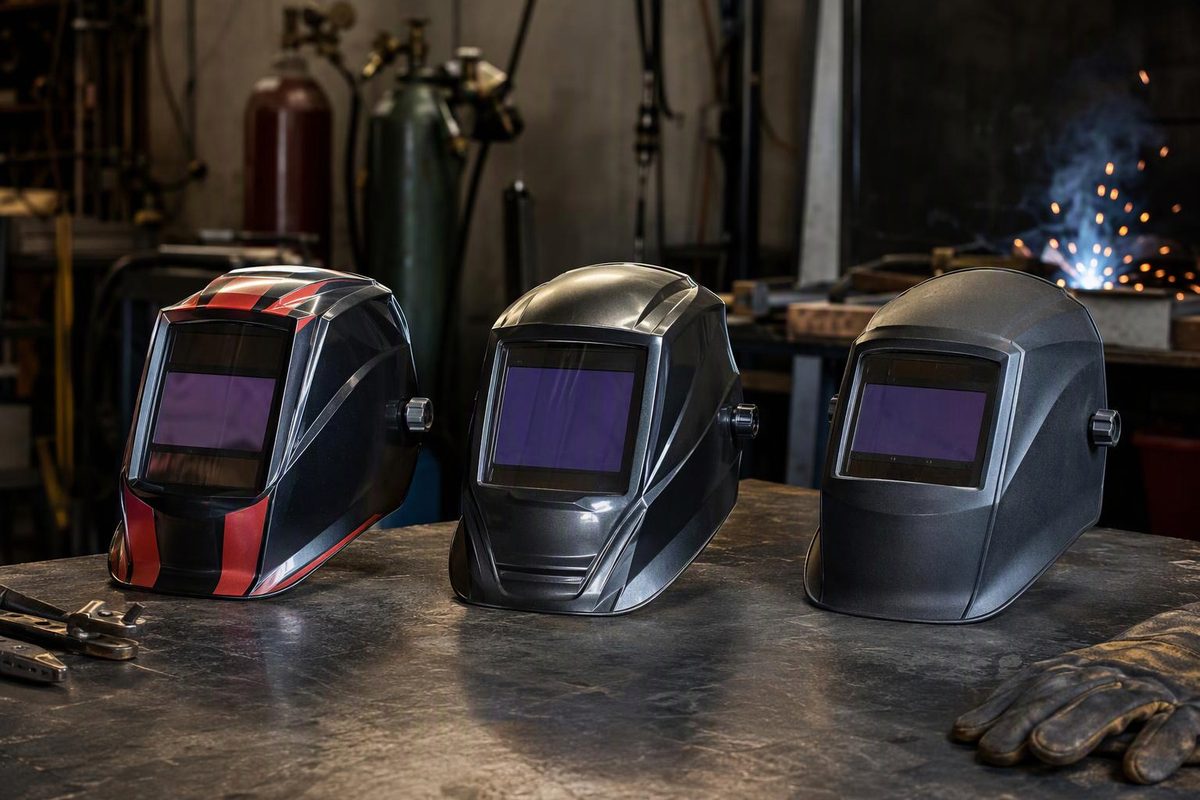
Best Welding Mask: Three Helmets Matched to the Job
Compare the Lincoln VIKING 3350, Miller Digital Infinity and VIKING 1740 by welding process, arc detection, viewing area, fit and shade requirements.
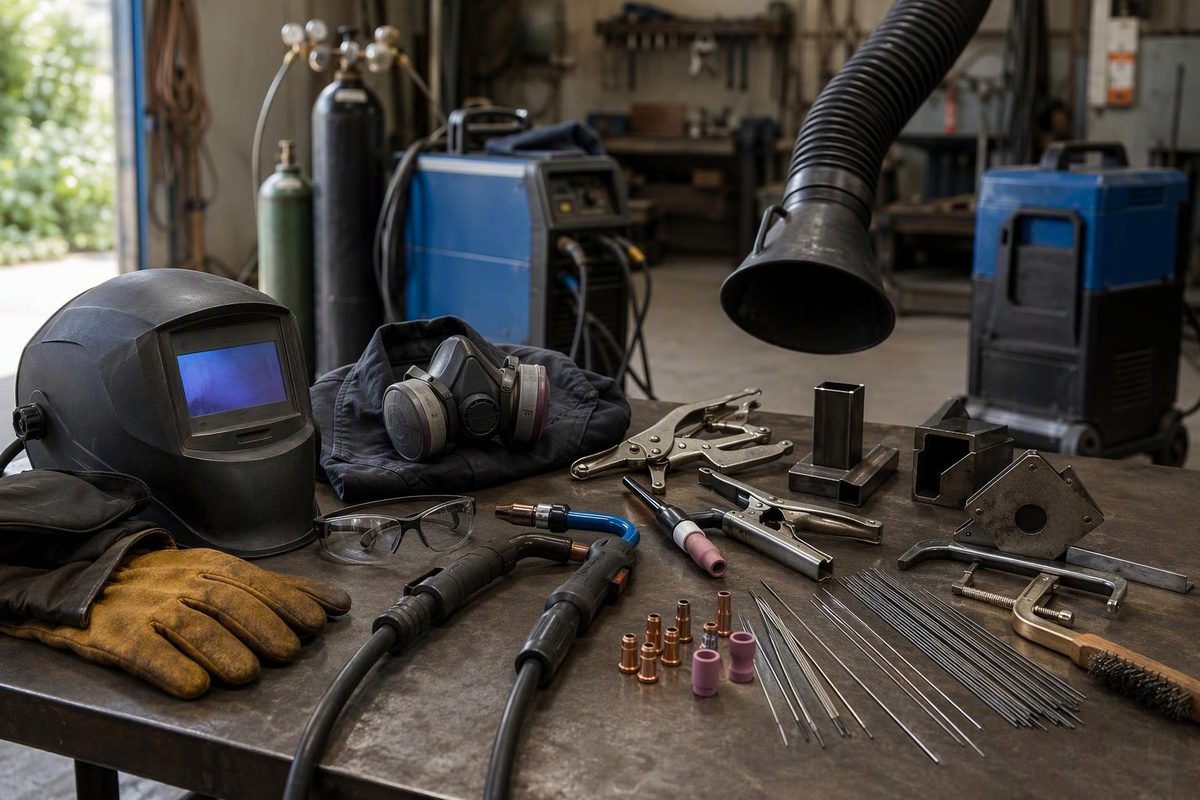
Welding Gear Checklist: PPE, Process Kits and Shop Tools
Build a welding gear kit with suitable PPE, process-specific accessories, fume controls and fit-up tools—and check compatibility before buying.
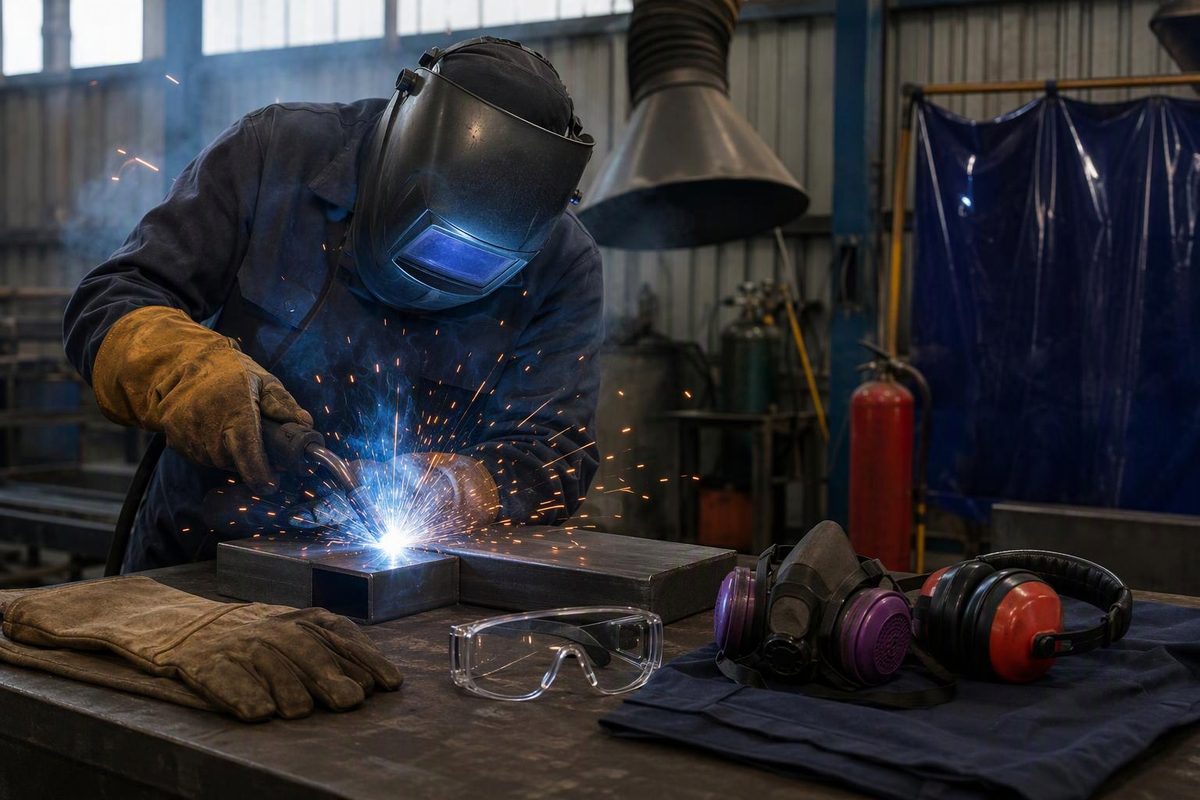
Welding Safety Equipment: PPE and Work-Area Checklist
Match welding safety equipment to arc radiation, spatter, fumes, noise and fire hazards—with practical checks for PPE, ventilation and the work area.
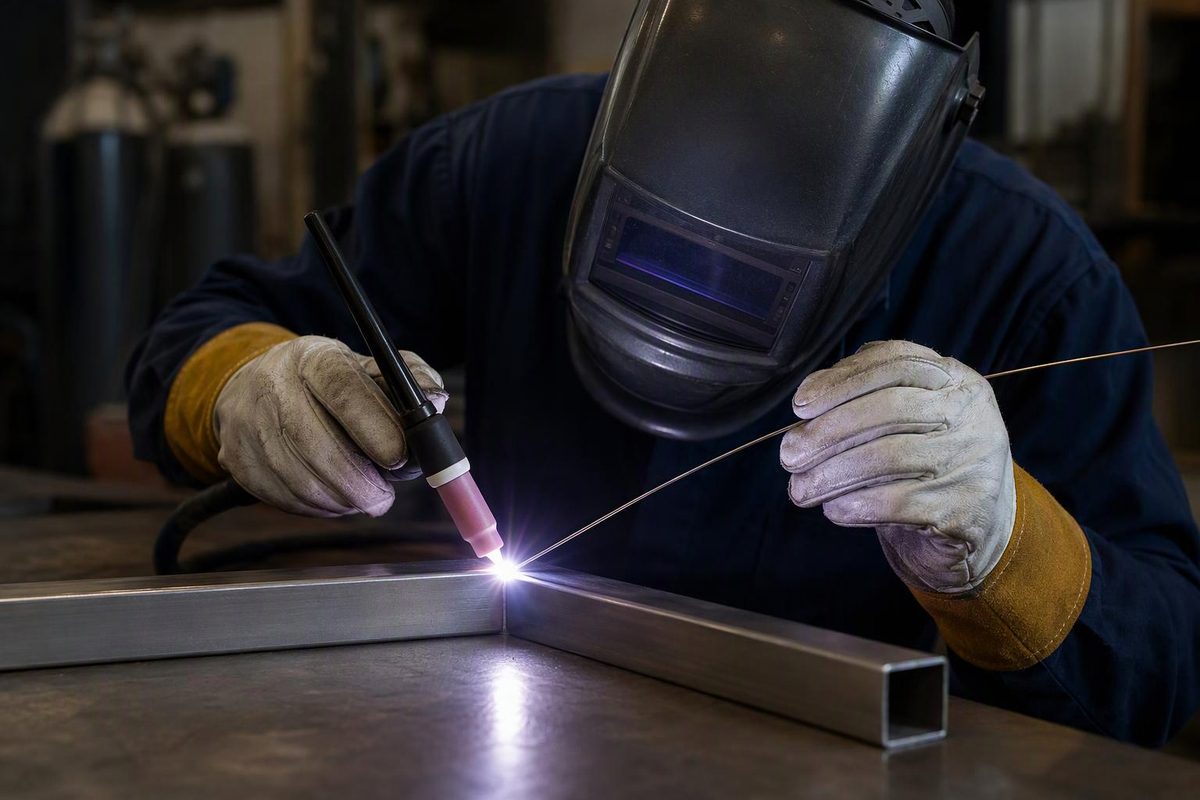
What Is Tungsten Inert Gas Welding?
Learn how TIG welding works, why its tungsten electrode differs from MIG wire, and what to check for shielding, polarity and common weld problems.
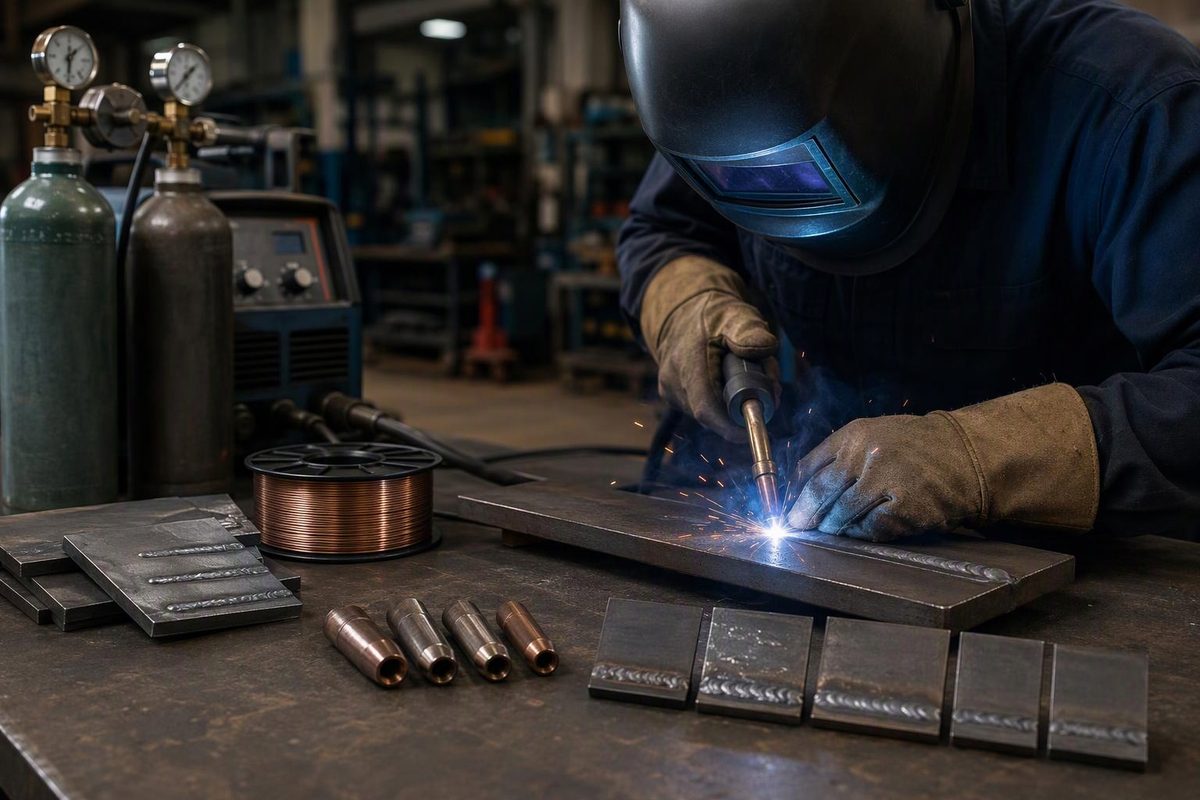
Gas Metal Arc Welding: Transfer Modes, Gas and Setup
Compare GMAW transfer modes, see sourced wire settings, and match shielding gas, polarity and equipment before diagnosing spatter, porosity or poor fusion.